

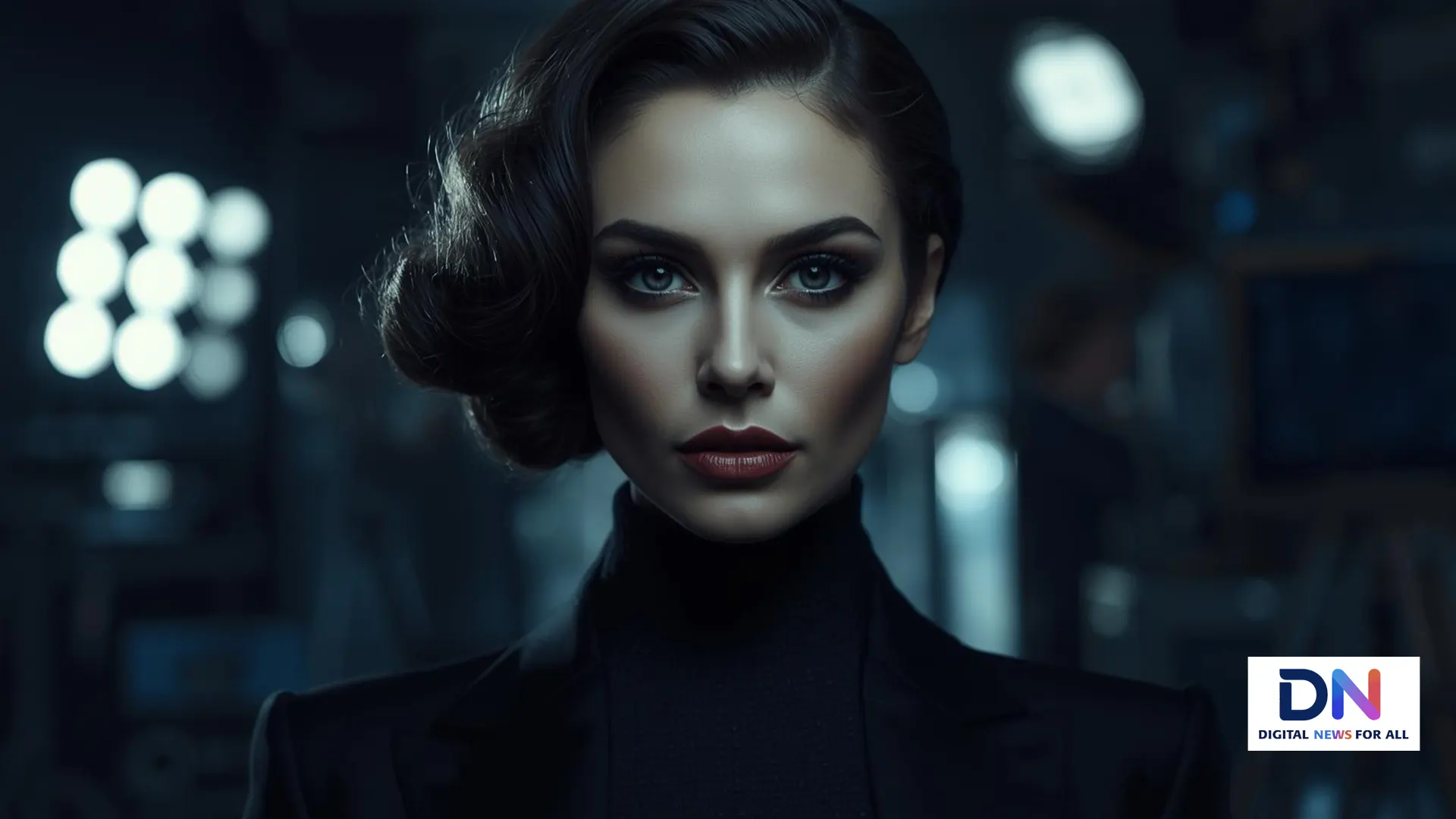
Tilly Norwood AI actor controversy has pushed Hollywood into a new debate about artificial intelligence, creative ownership, and the future of human performers. The digitally generated character has become a symbol of how rapidly AI is challenging traditional filmmaking and the entertainment industry’s established rules.
Who Is Tilly Norwood?
Created by producer Eline Van der Velden through the AI-focused company Xicoia, Tilly Norwood was introduced as a synthetic performer in 2025. Unlike conventional actors, she is a computer-generated character rather than a human being. Her creators presented the project as a new form of entertainment, while critics questioned whether AI-generated personalities should compete for opportunities traditionally offered to working performers.
According to the Associated Press, the announcement triggered criticism from actors and industry organizations. Supporters argue that AI characters could create new storytelling possibilities, while opponents worry about consent, compensation, and the devaluation of human artistry.
Why Hollywood Is Concerned About AI Actors
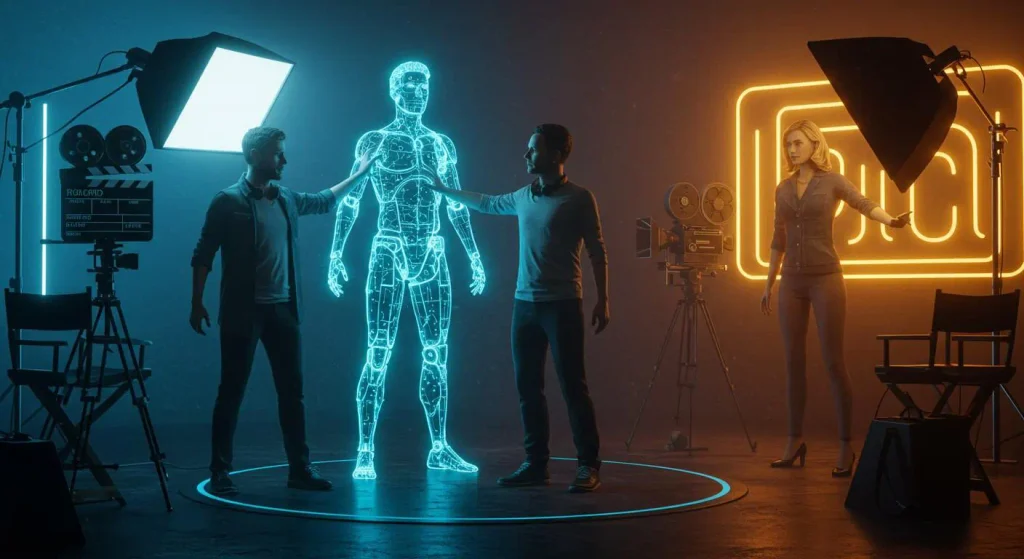
The controversy extends beyond one digital character. Actors, writers, and other entertainment professionals fear that studios could use AI to reduce production costs, reproduce recognizable performances, or replace paid work. Questions about training data and digital likenesses also raise difficult legal and ethical issues.
SAG-AFTRA, the union representing many entertainment professionals, has raised concerns about synthetic performers and the use of human performers’ work without permission or compensation. The union has also pursued contractual protections for digital replicas and AI-generated performances.
For a broader perspective, The Guardian’s coverage documents the strong resistance the project encountered. The dispute highlights a central question: Can technology reproduce a convincing performance without undermining the people whose skills inspire it?
From Viral Controversy to a Feature Film
The debate gained further attention in 2026 amid reports of a planned film titled Misaligned, featuring Norwood. The project has been described as a hybrid production involving human film professionals and AI technology. Its development could test whether audiences accept synthetic characters in longer-form storytelling.
The Los Angeles Times reported on the planned film. The publication’s follow-up examination of Norwood’s proposed starring role explored what the development could mean for acting and creative credit.
What This Means for Hollywood’s Future
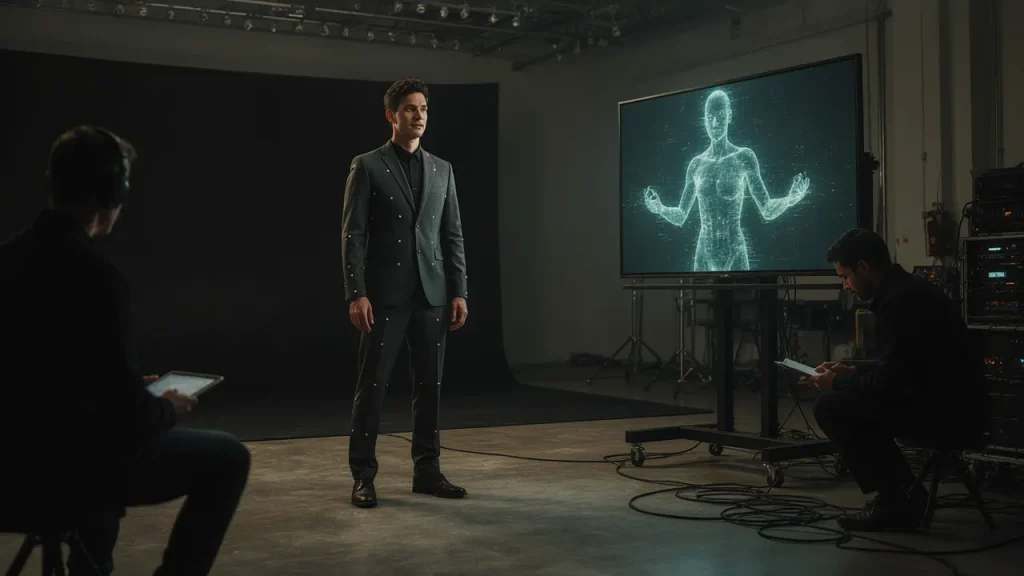
Hollywood’s debate also involves industry recognition. The Academy of Motion Picture Arts and Sciences clarified in 2026 that Oscar-eligible acting performances must be human-performed and eligible screenplays must be human-authored. Reuters reported on the Academy’s updated rules, highlighting the industry’s effort to define creative eligibility amid technological change.
Ultimately, the Tilly Norwood AI actor debate is about more than realism. Hollywood must balance innovation with informed consent, fair compensation, transparency, and meaningful opportunities for human talent. AI may become a useful filmmaking tool, but its long-term acceptance will depend on how responsibly the industry uses it.
As studios explore new technologies, audiences and performers will play an important role in shaping the rules. The future of filmmaking may include digital characters, but protecting human creativity remains central to the debate.
#TillyNorwood #AIActor #Hollywood #ArtificialIntelligence #AIEthics #FutureOfFilmmaking #DigitalCreativity #EntertainmentNews